

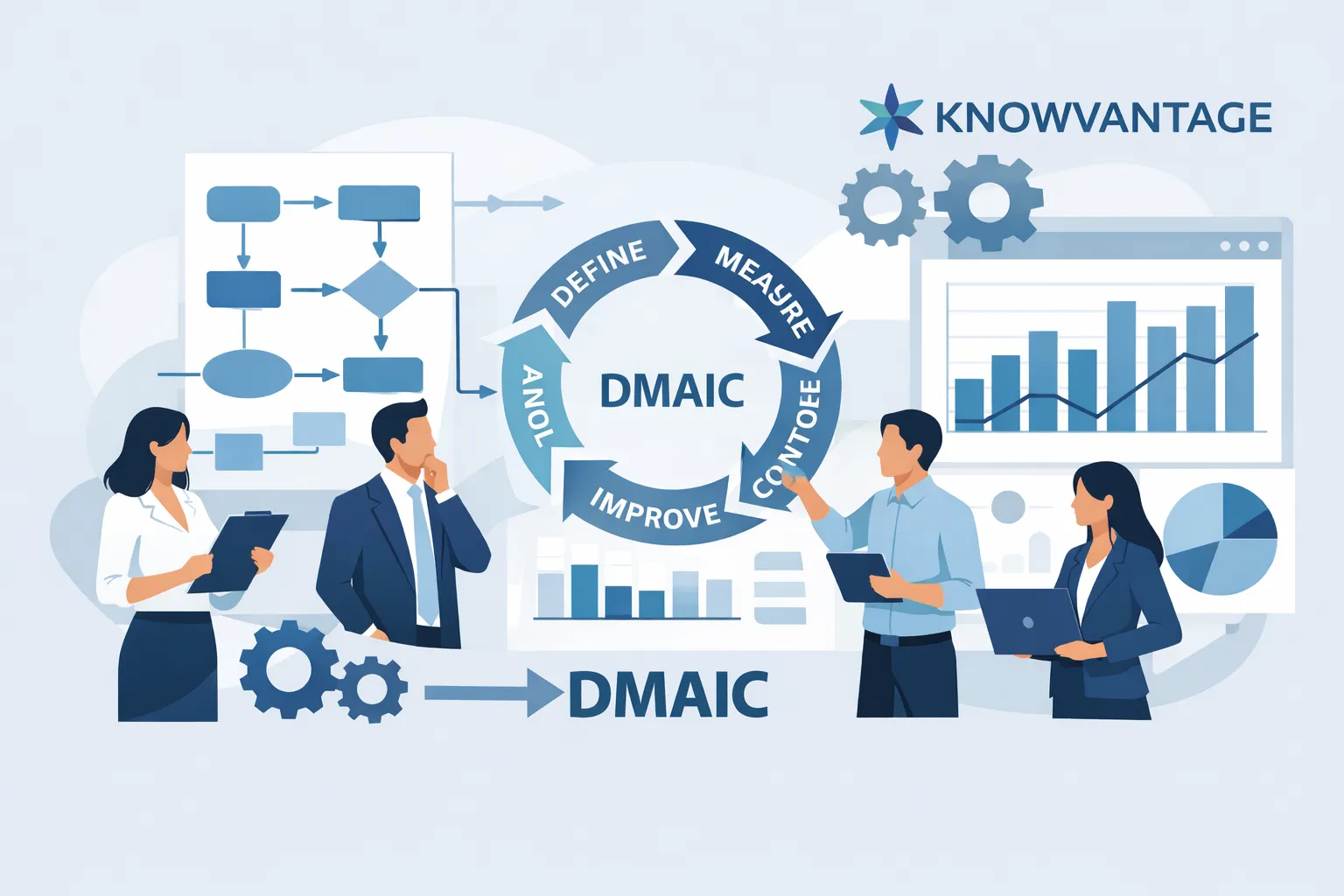

Lean Six Sigma is often misunderstood as just another certification. In reality, it is a business improvement methodology used by professionals to solve real operational problems, improve efficiency, and drive measurable results.
Why Lean Six Sigma Still Matters in 2026
Organizations today demand professionals who can improve processes, reduce waste, and make data-driven decisions. Lean Six Sigma remains relevant because it focuses on customer value, operational efficiency, and continuous improvement—skills that never go out of demand.
What Is Lean Six Sigma?
Lean Six Sigma combines two powerful approaches:
Together, they help organisations improve quality, reduce costs, and deliver consistent outcomes.
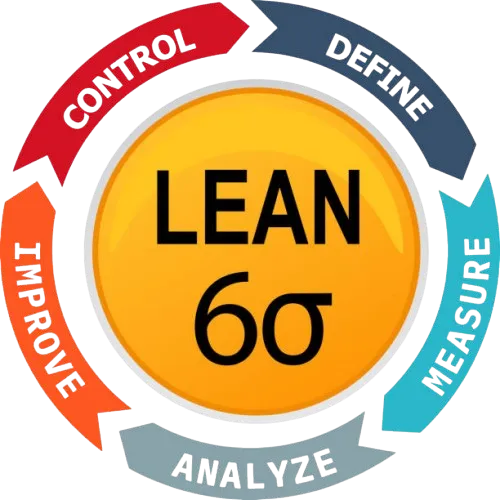
The DMAIC Methodology Explained
Lean Six Sigma as a Career Accelerator
Professionals who apply Lean Six Sigma effectively often move into roles such as Process Excellence Manager, Operations Lead, Quality Head, or Transformation Consultant.
The key difference is not certification—it is the ability to apply concepts through real-world projects.
Final Thought
Lean Six Sigma is not outdated—surface-level learning is. Professionals who focus on application, data, and outcomes gain the real advantage.