


You have heard about Lean Six Sigma. Your manager uses the term. A colleague just got certified and landed a promotion. But every guide you find is either a global listicle or a course ad. This one is different — built specifically for Indian professionals in 2026.
Key Takeaways
- A Green Belt leads process improvement projects using the DMAIC framework within their own function
- Green Belt-certified professionals in India earn 25–40% more than non-certified peers in the same role
- Most recognized accreditation bodies in India: IASSC, ASQ, and Exemplar Global
- Top hiring industries: Manufacturing, IT/ITES, Pharma, BFSI, Healthcare
- Most working professionals complete certification in 3–4 months with weekend batches
What Is a Lean Six Sigma Green Belt — Precisely?
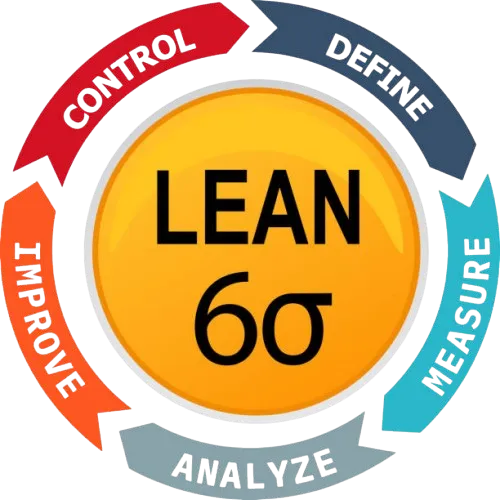
A Lean Six Sigma Green Belt (LSSGB) is a professional trained to lead and execute process improvement projects using the DMAIC framework — Define, Measure, Analyze, Improve, Control. Green Belts typically work within their own department, dedicating 25–50% of their time to improvement projects while continuing their regular role.
The Lean component focuses on eliminating waste and reducing cycle time. The Six Sigma component focuses on reducing variation and defects using statistical tools. Together, they give a Green Belt the ability to diagnose a process problem, find its root cause with data, implement a solution, and lock in the gains.
In an Indian organizational context, a Green Belt bridges the gap between leadership strategy and shop-floor or operational reality. They are the project executors.
Lean Six Sigma Green Belt Salary in India — 2026 Data
Salary is always the first real question — and the data in India is encouraging.
| Role | Without Green Belt | With Green Belt | Salary Uplift |
|---|---|---|---|
| Process Engineer (Manufacturing) | ₹4.5–6 LPA | ₹6.5–9 LPA | ~35–40% |
| IT Process Analyst | ₹5–7 LPA | ₹7–10 LPA | ~30–40% |
| Quality Executive (Pharma) | ₹4–5.5 LPA | ₹6–8.5 LPA | ~40–50% |
| Operations Manager (BFSI) | ₹8–12 LPA | ₹12–18 LPA | ~30–50% |
| Healthcare Quality Manager | ₹5–7 LPA | ₹7.5–11 LPA | ~35–45% |
*Data based on industry hiring patterns and Knowvantage placement observations, 2025–2026.
Which Accreditation Matters Most in India?
This is where most guides fail Indian readers. They list global options without telling you which one Indian hiring managers actually recognize.
IASSC — International Association for Six Sigma Certification
The most globally portable credential. Fully accredited, exam-based only, proctored. Widely recognized in MNCs operating in India — Tata, Infosys, Mahindra and similar organizations accept IASSC certifications. Knowvantage training is aligned to the IASSC Body of Knowledge.
ASQ — American Society for Quality
The most respected credential globally for quality professionals. Requires 3 years of work experience in a decision-making role. Best suited for senior professionals moving into quality leadership.
Exemplar Global
Strong in Australia and gaining traction in India, particularly in ISO-regulated industries. More flexible in its requirements.
Knowvantage Recommends:
For most Indian working professionals, IASSC-aligned training delivers the best combination of credibility, exam accessibility, and market recognition in India.
Industries Actively Hiring Green Belts in India Right Now
🏭 Manufacturing (Auto, FMCG, Metals, Textiles)
The original home of Lean Six Sigma. Plants across Pune, Chennai, Ahmedabad, and Coimbatore continuously hire Green Belts for production, quality, and supply chain roles.
💻 IT and ITES
Bengaluru, Hyderabad, NCR. Used for delivery improvement, bug reduction, SLA compliance, and support process optimization — often at the intersection of Lean and Agile.
💊 Pharmaceutical and Life Sciences
FDA and WHO-GMP compliance make process control non-negotiable. Hyderabad, Pune, Ahmedabad. Key project areas: batch failure reduction, documentation cycle time, deviation management.
🏦 BFSI (Banking, Financial Services, Insurance)
Process standardisation, turnaround time, and complaint resolution. A single BFSI project can demonstrate ₹50L–₹2Cr in documented savings — the fastest ROI of any sector.
🏥 Healthcare
Post-pandemic, Indian hospitals and diagnostic chains are investing seriously in process improvement. OPD wait times, bed turnaround, billing accuracy, and lab TAT are core Green Belt project areas.
What Does the Certification Process Look Like?
|
1
|
Training (40–80 hours) Structured classroom or virtual instructor-led training covering DMAIC tools, statistics, and project methodology. Knowvantage runs weekend VILT batches so working professionals are not disrupted. |
|
2
|
Live Project Work Complete one real improvement project using DMAIC. This is where the actual learning happens — and where your first documented savings story is created. |
|
3
|
IASSC Exam 100 questions, 3 hours, proctored. Pass mark 70%. Candidates from Knowvantage batches consistently clear in their first attempt. |
|
4
|
Certification Issued Your LSSGB certificate is issued on passing. Total timeline for a working professional: 3–4 months. |
Real Result: A Pune Manufacturing Plant Saves ₹1.44 Crore
Case Study — Knowvantage Graduate
A production supervisor at a Pune-based auto component plant enrolled in Knowvantage's Green Belt program. His DMAIC project targeted a recurring machining defect causing ₹18 lakh in monthly rework costs.
Using an Ishikawa diagram and process capability analysis, his team identified a tooling wear pattern overlooked for two years. The Improve phase introduced a preventive maintenance schedule and SPC chart for early detection.
|
67% Defect Reduction |
₹1.44Cr Annual Saving |
₹11 LPA Salary Post-Cert |
Frequently Asked Questions
Ready to Get Certified?
Internationally accredited · Real project mentoring · Weekend batches · India-specific curriculum
Book a Free Consultation Download Belt Guide PDF